The final season of The Boys was already carrying impossible expectations before the finale even aired. Now the numbers are massive, the internet is arguing nonstop about the ending, and honestly, the reaction feels messier than most streaming finales now.
According to reports, Season 5 became the most-watched season in the show’s history with over 55 million viewers globally, turning the finale into one of Prime Video’s biggest television events. But the strange thing is that the conversation online barely feels celebratory.
The Homelander And Butcher Ending Left People Emotionally Drained
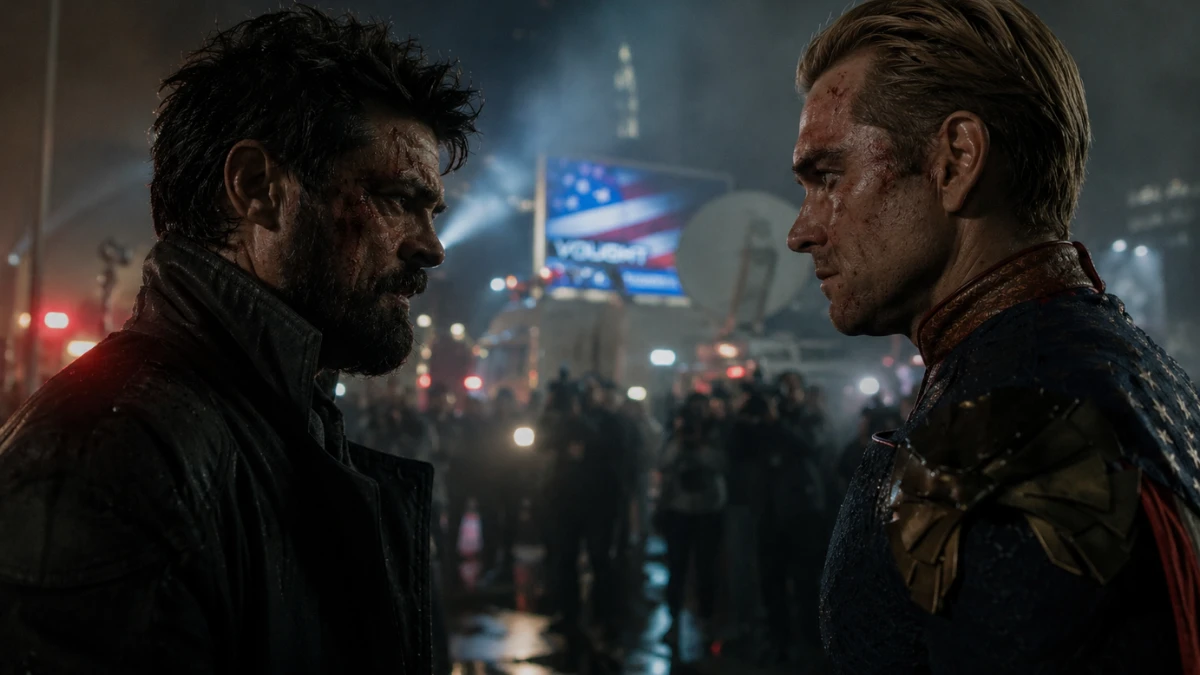
The biggest reason the finale exploded online is obviously the ending between Homelander and Billy Butcher. After years of buildup, betrayals, and psychological collapse, the final confrontation finally happened — and the show didn’t really try to make it feel triumphant.
Some viewers loved how ugly and emotionally exhausting the ending felt. Others expected something bigger, more explosive, more traditionally “epic.” Instead, the finale leaned heavily into tragedy, bitterness, and characters destroying themselves emotionally long before they destroyed each other physically.
The show spent five seasons mocking superhero fantasy logic. It was never really going to end with emotionally clean victory speeches and crowd-cheering hero shots.
The Show’s Political Satire Became Harder To Separate From Reality
One reason Season 5 hit differently is because the satire stopped feeling exaggerated for some viewers. Earlier seasons felt chaotic and shocking in a fun way. The final season often felt uncomfortable instead.
The Homelander storyline especially pushed further into authoritarian imagery, media manipulation, billionaire influence, and cult-like public loyalty. Some fans thought the political commentary became too blunt. Others argued the show was always this aggressive and people are only reacting now because the parallels feel less fictional.
That tension basically became part of the viewing experience itself.
At moments, the finale almost feels less interested in superhero spectacle than in showing how societies normalize cruelty slowly over time. Which is probably why certain scenes linger longer emotionally than the actual action sequences.
Even People With “Superhero Fatigue” Still Showed Up
This might be the most interesting thing about the ratings success.
A lot of superhero franchises lost cultural momentum recently, but The Boys somehow kept growing. Season 5 reportedly pulled enormous streaming numbers despite constant online claims that audiences are tired of comic-book content.
The difference is probably tone.
The Boys never behaved like it trusted the genre completely. It constantly mocked power fantasies, celebrity culture, corporate branding, and even its own audience sometimes. That gave the series an unpredictability most franchise television slowly loses after multiple seasons.
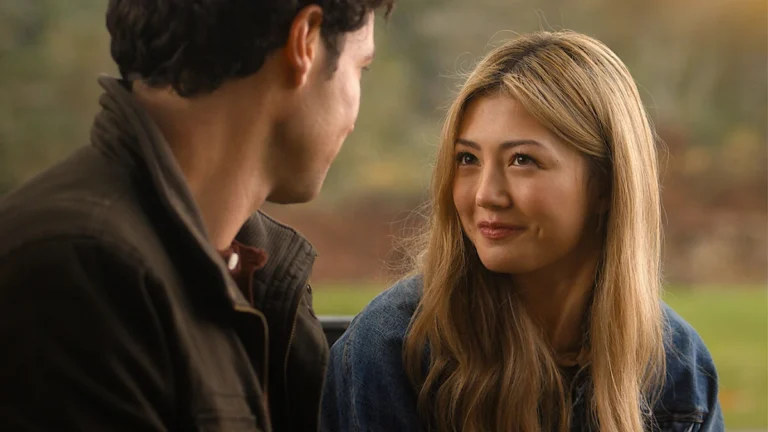
There’s also the emotional factor. People became deeply attached to these characters despite how awful many of them are. The Hughie and Butcher scenes in the finale especially hit viewers harder than expected because underneath all the gore and satire, the show always understood damaged relationships surprisingly well.
The Ending May Divide Fans For Years — Which Honestly Fits The Show
The cast for the final season included Karl Urban, Antony Starr, Jack Quaid, Erin Moriarty, Karen Fukuhara, Jensen Ackles, and more.
Some viewers already think the finale was one of the strongest endings modern streaming television has delivered. Others think the show became too cynical and politically heavy by the end. And honestly, both reactions make sense.
Because The Boys was never designed to leave audiences comfortable.
Even the ending feels like the show looking directly at viewers and basically asking whether people really wanted superhero stories to become this dark in the first place.