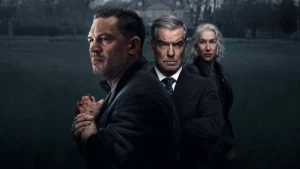
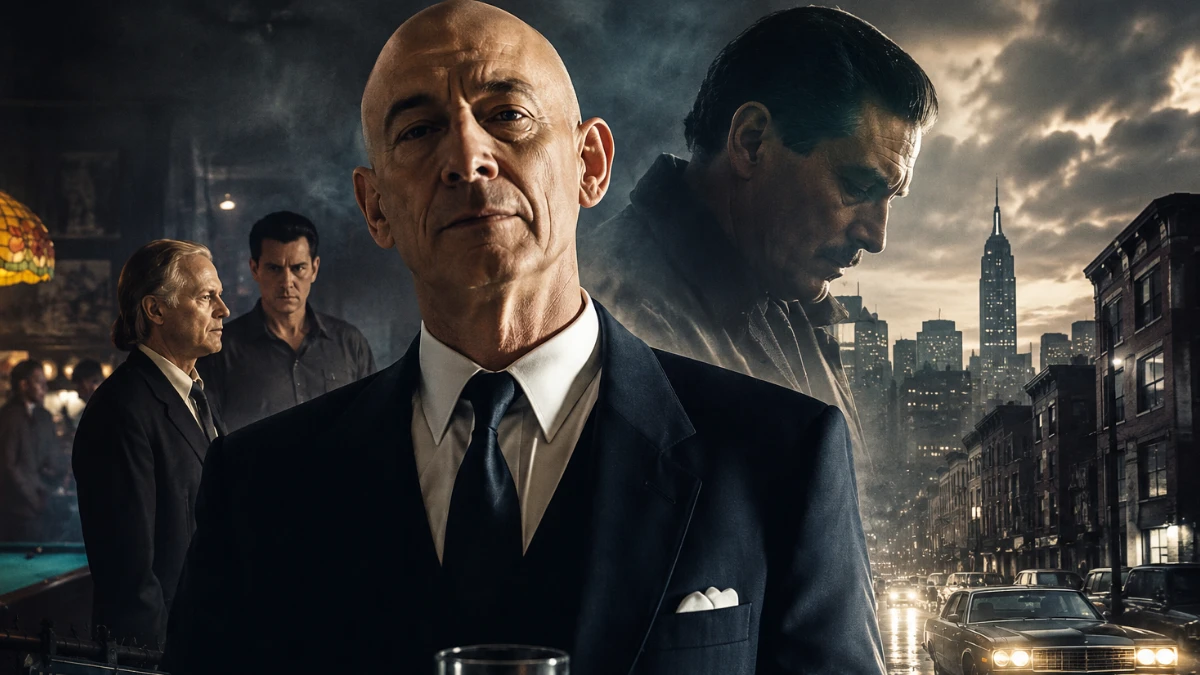
MGM+’s The Westies has an excellent setup for a crime drama. It takes the real-life Irish-American gang that controlled parts of 1980s Hell’s Kitchen and puts them in a pressure cooker with the FBI, the Gambino crime family, internal rivalries and the lucrative construction of the Javits Center.
At the center is J.K. Simmons as Eamon Sweeney, the calculating Westies boss trying to keep his crew alive while navigating increasingly dangerous relationships with the Italian mob. Tom Brittney plays Jimmy Roarke, Sweeney’s loyal but conflicted lieutenant, while Titus Welliver plays corrupt police officer Glenn Keenan.
The early reviews suggest a show that is well-acted, entertaining and competently made, even if it doesn’t always escape the shadow of the gangster dramas that came before it. Rotten Tomatoes currently has Season 1 at 78% from 18 critics, with the site’s consensus describing the series as lacking originality but making up for it with a sturdy crime story, compelling characters and a capable cast.
J.K. Simmons Is The Show’s Biggest Asset
Simmons is easily one of the strongest reasons to watch The Westies.
As Eamon Sweeney, he doesn’t play the character as a loud caricature of a mob boss. Sweeney can be brutal, but he’s also pragmatic enough to understand when compromise is necessary. His interest in the neighborhood and his own people gives the character something beyond simple greed.
The Boston Globe’s Chris Vognar praised Simmons for giving the character a convincing divided nature: Sweeney genuinely cares about his community while simultaneously seeing the Javits Center construction racket as an opportunity to move his gang forward.
Titus Welliver is another standout. His corrupt cop, Glenn Keenan, has his own competing loyalties and problems, giving the FBI storyline more personality than it might otherwise have had.
Even RogerEbert.com’s Richard Roeper singled out Simmons and Welliver, describing their performances as electric and calling the series a polished, B-movie-style take on Scorsese’s crime-film territory.
The Problem Is That We’ve Seen This Crime Story Before
This is where The Westies becomes less convincing.
The ingredients are all familiar: rival criminal organizations, shifting alliances, corrupt cops, internal betrayal, violent executions and characters constantly trying to decide whether loyalty is worth the price.
Variety’s Alison Herman was considerably harsher, giving the series a 40/100 and arguing that it settles for familiar genre tropes while struggling to provide compelling protagonists.
That criticism is also reflected in the broader Rotten Tomatoes consensus. The show apparently knows how to construct a crime story, but its originality isn’t where its strength lies.
That’s a difficult problem for any modern gangster series because The Sopranos, Peaky Blinders, Boardwalk Empire and countless crime films have already established an extremely high bar.
The Westies doesn’t necessarily need to reinvent the genre. But when its characters and conflicts feel familiar, the show needs especially strong writing or character development to compensate.
The Period Setting Does A Lot Of Heavy Lifting
One area where the series consistently works is its recreation of 1980s New York.
The cars, clothing, interiors and smoky bars help establish the period without turning the show into a museum piece. The production has a grimy, lived-in quality that fits the Westies’ world.
Roeper specifically praised the show’s period production, including its cars, fashions and smoke-filled rooms, while also highlighting the violent action and energetic performances.
The Boston Globe also described the series as a slick but grimy New York period piece, particularly praising its music and the use of the Dropkick Murphys for the opening theme.
Those details matter because the real Westies are the show’s most interesting selling point. This isn’t another fictional mob family created from scratch. The series is drawing from an actual Irish-American criminal organization and placing it inside a very specific period of New York history.
The Westies Is Better When It Focuses On Its Characters
The strongest material comes from the relationships rather than the larger gangster mythology.
Jimmy Roarke’s loyalty to Sweeney becomes increasingly complicated as the people around him demand different things. Sarah Bolger’s Bridget adds another layer through her connection to the IRA, while Keenan’s position as an FBI informant creates a separate conflict between professional duty and personal loyalty.
The Boston Globe praised the way the series stacks these storylines, particularly the addition of Bridget’s IRA involvement, while also highlighting Welliver’s performance.
That is where The Westies feels more distinctive than its basic premise suggests. The show works best when it stops trying to sell itself as another great mob epic and simply lets these characters make increasingly bad decisions.
But Don’t Expect The Next Sopranos
This is probably the fairest warning to give prospective viewers.
TechRadar’s Jasmine Valentine called the series fun and solid but ultimately forgettable, arguing that it doesn’t approach the level of The Sopranos or Peaky Blinders. She also felt the violence was sometimes too restrained for a series about such a notoriously brutal criminal organization.
The Guardian’s review reached a similar conclusion from a different direction, praising the show’s violent and occasionally chaotic mob storytelling while arguing that its emotional depth and character development don’t fully match the genre classics it resembles.
That’s probably the key expectation to have going in.
If you’re waiting for another The Sopranos, The Westies is likely to feel lightweight. If you simply want a fast-moving crime drama with a strong cast, period atmosphere and enough betrayals to keep the story moving, there’s considerably more to like.
Should You Watch The Westies?
Yes, if you already enjoy gangster dramas — but keep your expectations under control.
The series has a genuinely interesting historical subject, a terrific lead performance from J.K. Simmons and a supporting cast that knows exactly how to sell this kind of material. Its Hell’s Kitchen setting and period production also give it a strong visual identity.
At the same time, the criticism about familiarity is fair. The Westies doesn’t appear interested in reinventing the gangster drama, and Variety’s much harsher assessment shows that the show’s limitations become obvious when compared with the genre’s best work.
My verdict based on the critical record: it’s a solid crime series rather than an essential one. The performances, particularly Simmons and Welliver, make it worth watching, but the writing doesn’t consistently provide the originality or emotional depth that would push it into the top tier of modern gangster television.
For an eight-episode first season, that’s still a worthwhile starting point — especially if MGM+ can use a potential second season to give its characters more room to become something more than familiar crime-drama archetypes.

Sujal Singh is the Founder and Editor of CineMazze. He covers film news and updates, including casting, production and release announcements, and manages the website. Follow him on Instagram: @itssujalsingh.