More than twenty years after The Passion of the Christ turned into one of the most controversial and commercially massive religious films ever made, Mel Gibson is finally bringing audiences back into that world, but what started as a long-rumored sequel has now evolved into something far more ambitious than many people expected.
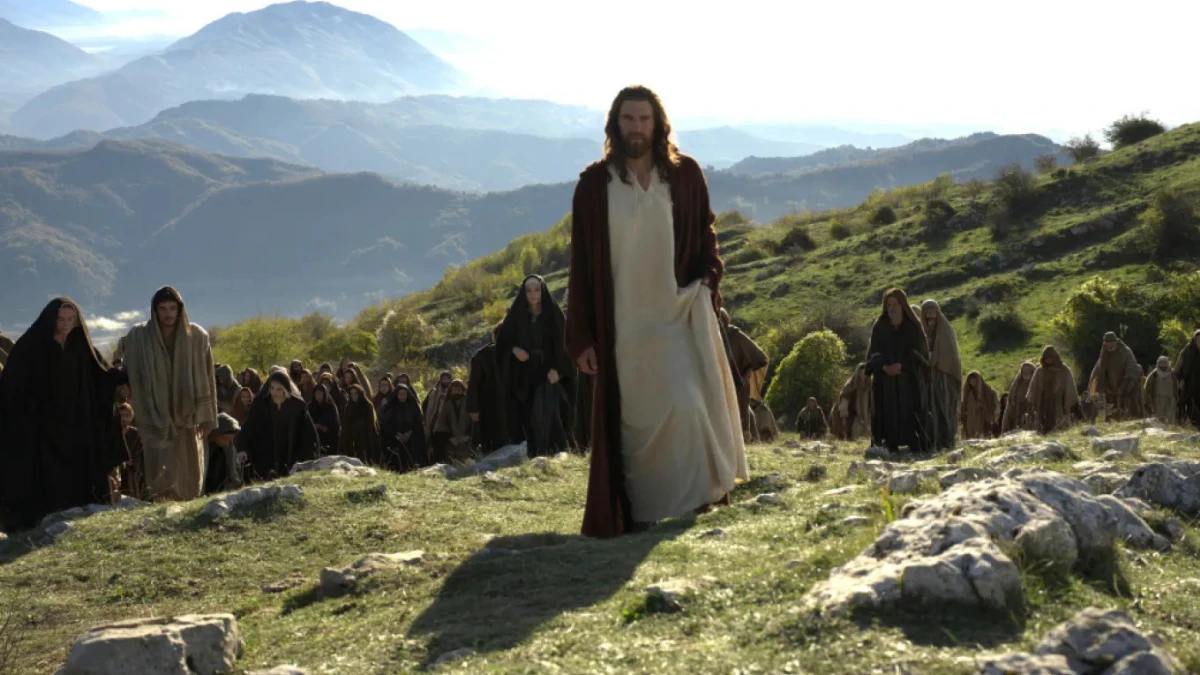
This week, the filmmaker officially unveiled the first look at The Resurrection of the Christ while also confirming major release-date changes for the project. The sequel is no longer just one movie. It is now a sprawling two-part biblical epic that reportedly dives far beyond a traditional resurrection retelling.
The New Jesus Reveal Is Already Starting Debate
One of the biggest surprises is that Jaakko Ohtonen has replaced Jim Caviezel as Jesus. That decision alone will probably split longtime fans of the original film because Caviezel’s performance became deeply tied to the identity of the 2004 movie. Another major cast change includes Monica Bellucci no longer playing Mary Magdalene. The role is now portrayed by Mariela Garriga.
According to reports, the sequel takes place almost immediately after the crucifixion, meaning de-aging Caviezel for an entire film would have been extremely expensive and technically difficult. Instead, Gibson reportedly chose a recast approach.
The first-look image itself feels deliberately restrained. No giant spectacle, just a quiet presentation of the new actor. That simplicity is already creating conversation online because audiences instantly compare him to Caviezel’s intense portrayal from the original film.
The Release Strategy Quietly Changed in a Huge Way
At first, the project was expected to arrive in 2027 with both films releasing relatively close together around the Easter period. Earlier reports connected the releases to Good Friday and Ascension Day. Now the plan looks very different.
Part One is currently scheduled for May 6, 2027, while Part Two has been pushed all the way to May 25, 2028. That delay is significant because it suggests the second half may be much larger or more effects-heavy than originally planned. Honestly, that lines up with Gibson’s own descriptions of the movie over the years. He has repeatedly hinted that this sequel is not just a grounded biblical drama. He previously described elements of the script as surreal, spiritual, cosmic, and even partially science-fiction-like in structure.
This Might Be One of the Riskiest Religious Movies Ever Made
The original The Passion of the Christ succeeded partly because of its raw simplicity, brutal violence, minimal Hollywood polish and heavy emotional suffering. Audiences either connected with it deeply or rejected it entirely.
But this sequel feels different already. A two-part structure automatically changes audience expectations. Recasting Jesus changes emotional attachment. And expanding the story into large scale metaphysical territory could either create something genuinely unique or completely alienate viewers who only wanted a direct continuation.
What makes the situation more fascinating is that religious cinema has changed dramatically since 2004. Streaming platforms, fantasy storytelling, and large scale world-building are now normal for audiences. In some ways, Gibson may actually be arriving at the perfect time for a biblical epic that feels less like a church drama and more like a spiritual event film.
Still, there is enormous pressure attached to this project because the original film remains one of the highest-grossing R-rated movies ever made, earning more than $600 million worldwide.