For a while, social media acted like MobLand was already falling apart.
One rumor about Tom Hardy potentially stepping away from the series spread online, and suddenly people were talking like the show had entered full behind-the-scenes disaster mode before any real confirmation even existed. TheWrap initially reported on May 22, 2026, that Hardy would not return if MobLand received a third season, citing an insider familiar with the situation.
But the story changed quickly. Variety reported on May 29, 2026, that Hardy had not been fired, adding that discussions were underway to find a way for him to return. A source close to production told the outlet, “Tom was not fired, the door is not closed for Season 3 and things are being worked through creatively.” TVLine later reported on June 30, 2026, that Hardy would remain involved with a potential third season, citing Deadline’s reporting.
The clarification mattered, but the speed of the panic exposed something bigger than the rumor itself. It showed how emotionally dependent MobLand has become on Hardy’s presence.
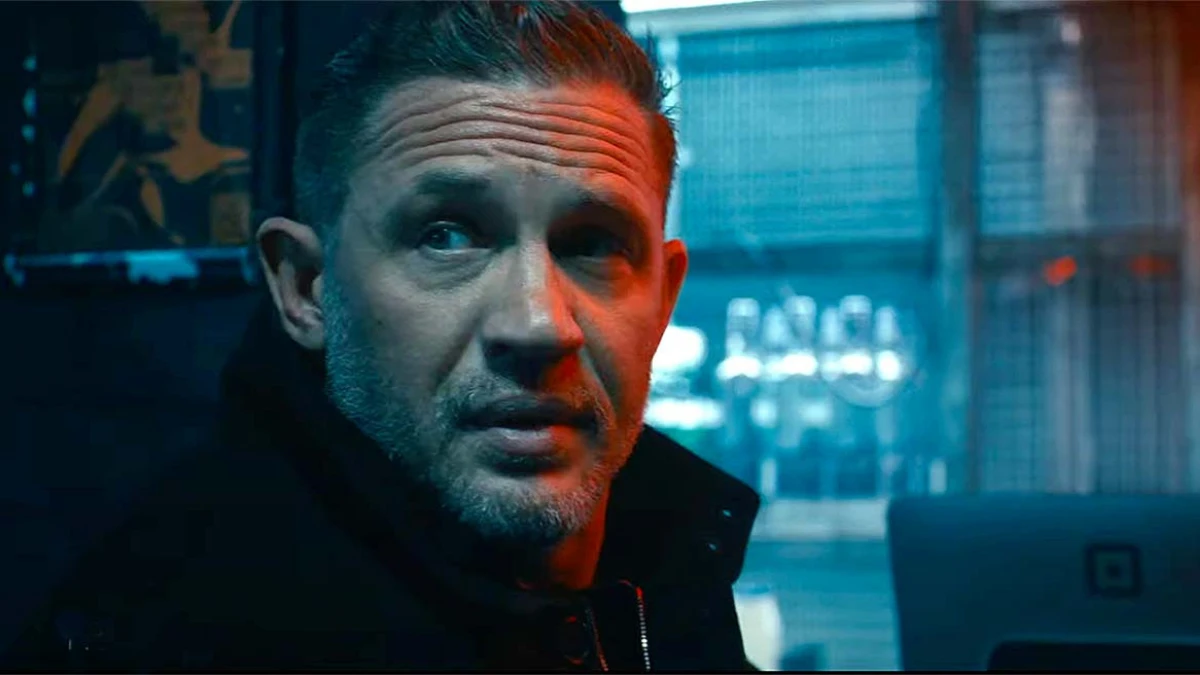
That is not necessarily an insult to the show. In some ways, it is the reason audiences connected with it so quickly. Hardy brings this unstable, uncomfortable energy to the series where every scene feels tense even when almost nothing is happening. He plays Harry da Souza like someone carrying years of buried violence under the surface, and sometimes just the way he stands in silence changes the atmosphere of an entire scene.
The problem is that viewers now seem to associate the entire identity of MobLand with that performance.
Once fandom reaches that stage, even vague speculation about an actor leaving starts feeling catastrophic. Fans no longer see the series as a larger ensemble crime story. They start seeing it as Tom Hardy’s world specifically. Remove him, and people instantly assume the entire structure collapses with him. Modern streaming television has trained audiences to react that way.
The Rumor Became Bigger Than The Actual Situation
The original reporting did involve real behind-the-scenes tension. Variety said the disagreements involved Hardy, co-creator Jez Butterworth, and producer David Glasser, with creative differences and working methods reportedly contributing to the uncertainty. But the same Variety report made clear that Hardy had not been formally fired and that the people involved were still trying to resolve the situation.
That is a very different story from “Tom Hardy is gone.”
The distinction became even clearer later. TVLine reported in September that MobLand had officially been renewed for Season 3 and that Paramount+ confirmed Hardy would return as Harry da Souza. Variety also reported that the streamer had officially confirmed his return.
So the original panic was based on a situation that was unsettled, not finished. The internet treated uncertainty as a final decision, then reacted to its own conclusion.
That pattern is becoming increasingly common with major streaming shows. Actors leave. Writers change direction. Production disputes leak through anonymous sources. A project can be creatively unstable for weeks while still remaining very much alive. Viewers, however, tend to process every rumor as a binary event: the star is either staying or the show is doomed.
Why Hardy Has Become So Important To MobLand
Most modern crime dramas feel polished almost to the point of artificiality now. Stylish lighting. Cool monologues. Expensive-looking violence. Characters who somehow remain emotionally composed even while living inside criminal chaos.
MobLand feels rougher than that.
The series has this constantly uncomfortable atmosphere hanging over it—wet streets, dim interiors, exhausted faces, conversations that feel dangerous before they even begin. Hardy fits naturally into that tone because his performance rarely feels clean or controlled. There is always a sense that something ugly could suddenly happen at any moment.
That is probably why people got attached to him so quickly.
Hardy is not simply playing the central character. He supplies much of the show’s physical rhythm. His pauses, expressions, awkward silences, and sudden bursts of aggression give the series its nervous energy. Even when Pierce Brosnan and Helen Mirren are delivering the more traditionally commanding crime-family performances, Hardy’s Harry often feels like the person who could destabilize the room without raising his voice.
That kind of presence is difficult to replace. It is also difficult for a show to build an entire identity around without creating a long-term problem.
The Peaky Blinders Comparison Makes More Sense Than It First Appears
The whole situation resembles what happened during the early years of Peaky Blinders, when audiences became attached less to plot mechanics and more to the emotional gravity certain actors brought into scenes.
Once viewers connect to atmosphere instead of just story, rumors about exits start feeling personal. They are not merely worried about a missing cast member. They are worried that the mood, tension, and personality they came for will disappear.
That is especially true with MobLand, which has a large ensemble but still feels anchored by Hardy’s Harry. Brosnan, Mirren, Paddy Considine, Joanne Froggatt, and the rest of the cast give the series depth, yet Hardy remains the character most closely associated with its danger and unpredictability.
The show could theoretically continue without him. Variety’s reporting even included a production source arguing that the ensemble was strong enough to carry the series forward, although the same source acknowledged that losing Hardy could cost the show a significant portion of its audience.
That is the uncomfortable reality of star-driven television. A strong ensemble can keep a story alive, but it cannot always reproduce the specific chemistry that made the original version work.
The Fandom Reaction Revealed The Show’s Biggest Risk
MobLand may have accidentally built too much of its identity around one performer. That is the reason fans care this intensely. It is also probably the show’s biggest long-term risk.
The latest reporting has moved the story away from an apparent exit. Paramount+ has confirmed Hardy’s return for Season 3, and the actor himself later downplayed the drama, saying there was “no firing” and “no walking away.” Pierce Brosnan also described the situation as “a storm in a teacup.”
But the reaction will probably linger. Viewers now know how quickly the show’s future can become a public conversation about one actor’s availability, creative disagreements, and alleged production tension.
For now, Hardy is returning. The bigger question is whether MobLand can eventually prove that its world is larger than Harry da Souza—or whether every future casting rumor will continue to feel like a threat to the entire series.